
Lag Screw Vs Carriage Bolt: Key Differences for Your Project Needs
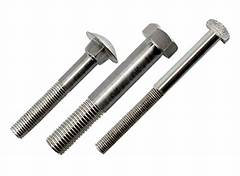
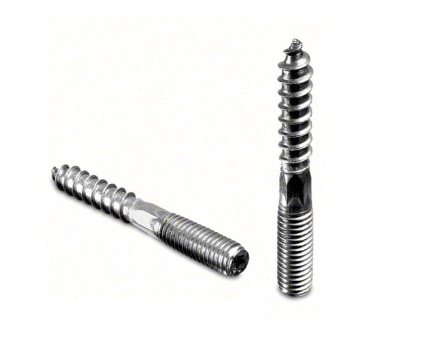
When it comes to choosing fasteners, understanding the differences between lag screws and carriage bolts is crucial for your projects. As someone who’s been in the industry for years, I’ve seen how both can impact structural integrity. Lag screws are perfect for heavy-duty applications, providing excellent holding power in wood, while carriage bolts offer a smooth finish and are great for connecting metal to wood. I often hear questions like “which one is better for my specific use case?” It really depends on your needs. If you’re tackling a tough project requiring strength, lag screws will deliver. But for a clean look with easy installation, carriage bolts are the way to go. Investing in the right fastener can save you time and money in the long run. If you’d like to dive deeper into which fastener suits your needs, I’m here to help you make an informed choice tailored to your business.
Lag Screw Vs Carriage Bolt Industry Giant Where Innovation Meets 2025
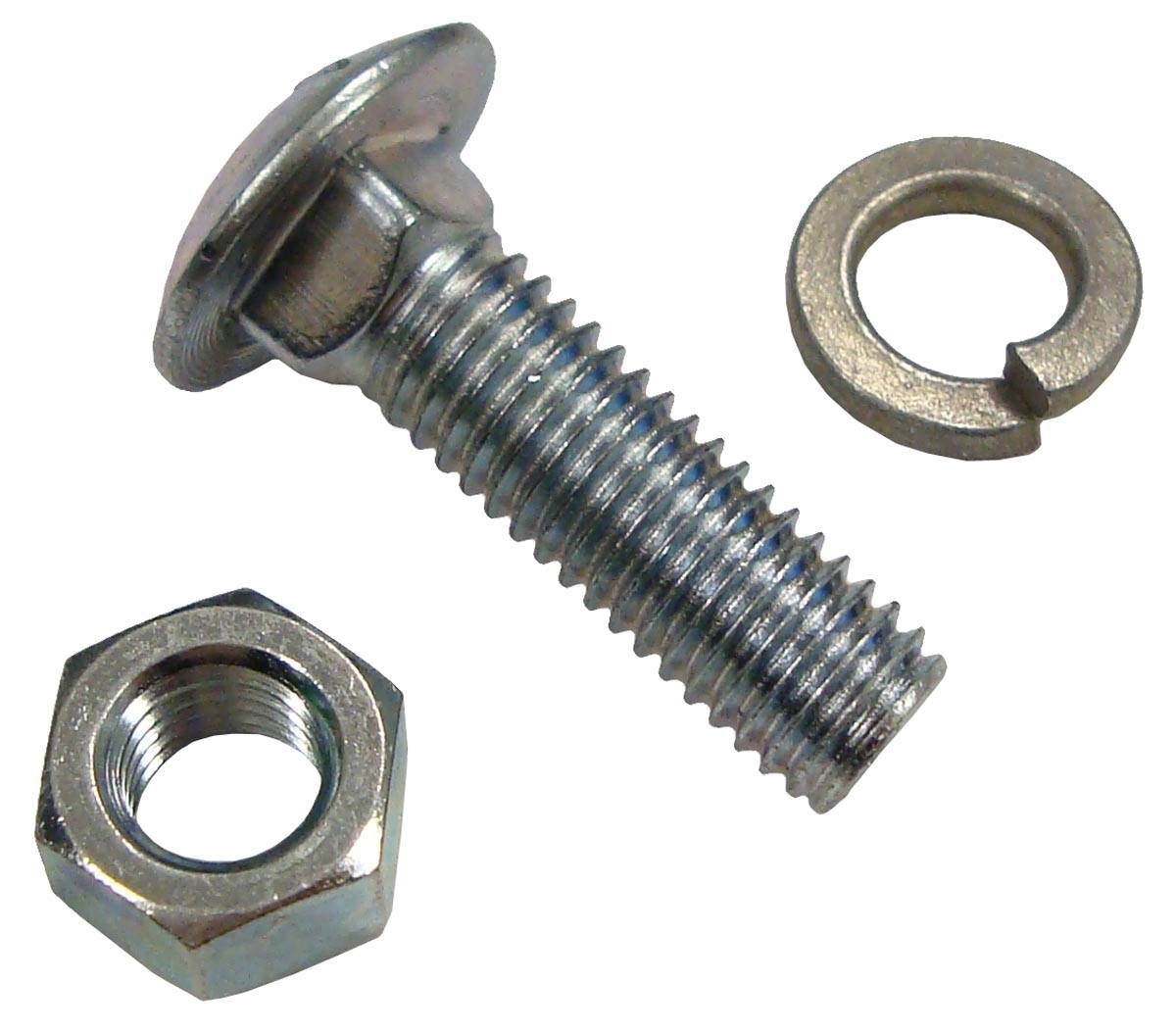
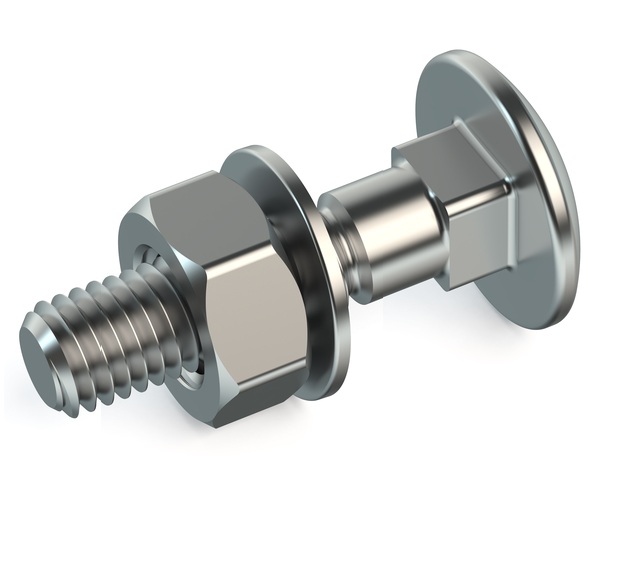
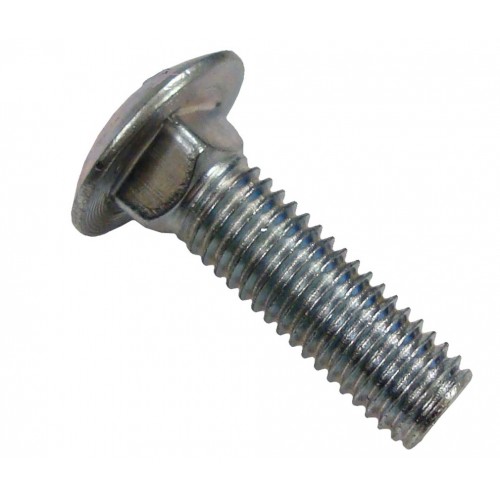
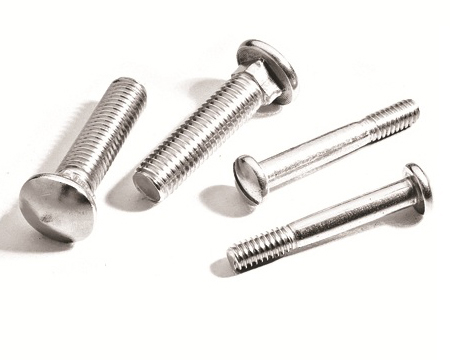
As we approach 2025, the hardware industry is witnessing remarkable innovation, particularly in the realm of fasteners. The competition between lag screws and carriage bolts is intensifying as both products evolve to meet the dynamic needs of various sectors, from construction to automotive. Lag screws, known for their superior holding power and ease of installation in wood applications, are constantly being improved with advanced coatings that enhance corrosion resistance and durability. This makes them particularly appealing to buyers who prioritize long-lasting performance in outdoor and load-bearing applications. On the other hand, carriage bolts are experiencing a renaissance as manufacturers explore new designs and materials that cater to safety and efficiency. Their rounded head and square neck provide a secure fit, preventing rotation during installation. Innovations such as self-locking features and environmentally friendly materials are capturing the attention of global buyers seeking sustainable options for their projects. As both products gain ground in the competitive landscape, it's essential for procurement professionals to understand their applications and advantages. With the growing emphasis on quality and reliability, suppliers in the fastener industry are adapting to buyer expectations by enhancing their product offerings. Collaborative efforts between manufacturers and industry leaders are paving the way for breakthroughs in design and functionality, ensuring that lag screws and carriage bolts remain integral to the construction and manufacturing sectors. As we move towards 2025, the focus will increasingly be on how these innovations can improve overall project outcomes and drive efficiency across various applications.
Lag Screw Vs Carriage Bolt Industry Giant: Where Innovation Meets 2025
| Category | Lag Screw | Carriage Bolt |
|---|---|---|
| Material Options | Steel, Stainless Steel, Brass | Steel, Stainless Steel, Aluminum |
| Typical Uses | Wood Construction, Heavy-Duty Applications | Decking, Furniture, Automotive |
| Load Capacity | High | Medium to High |
| Ease of Installation | Moderate | Easy |
| Corrosion Resistance | Good (with coatings) | Good |
| Market Trends 2025 | Increased use in modular construction | Growing demand in sustainable materials |
Related Products
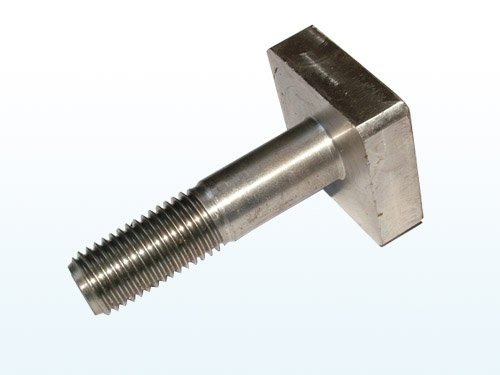

Lag Screw Vs Carriage Bolt Application Trusted by Pros
Top Selling Products
- Related Blog
- Reviews
