
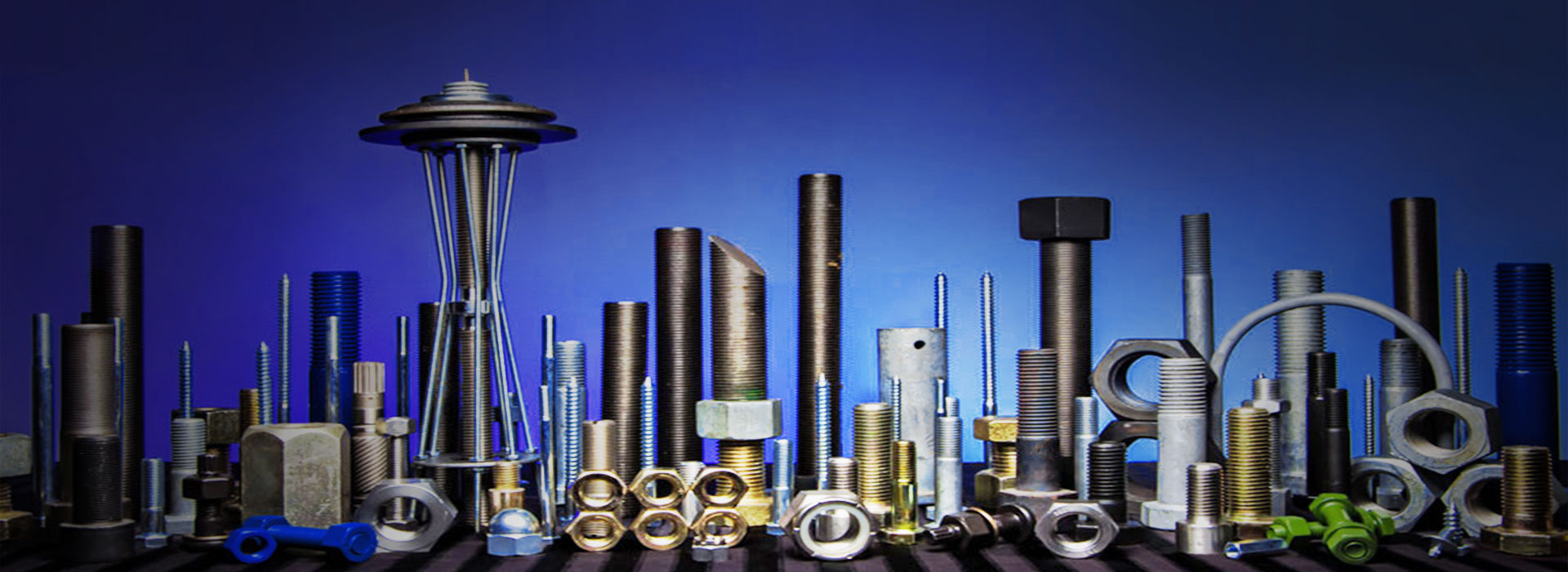
Self Threading Bolts for Easy Installation | Durable & Reliable Solutions
When I first started sourcing fasteners, I found self threading bolts to be a game changer for my projects. These innovative bolts eliminate the need for pre-drilled holes, saving time and effort during assembly. The unique thread design cuts into material, ensuring a secure fit every time. Whether you’re involved in construction, manufacturing, or automotive, self threading bolts provide unmatched reliability and ease of use. My customers often recommend them for their versatility in various applications, from metal to wood. Plus, I love how they reduce the risk of stripping, which is a common headache with standard bolts. With affordable pricing and bulk purchasing options available, it’s a smart choice for anyone looking to enhance their inventory or streamline production processes. Trust me, once you try self threading bolts, you won’t look back. Elevate your projects today!
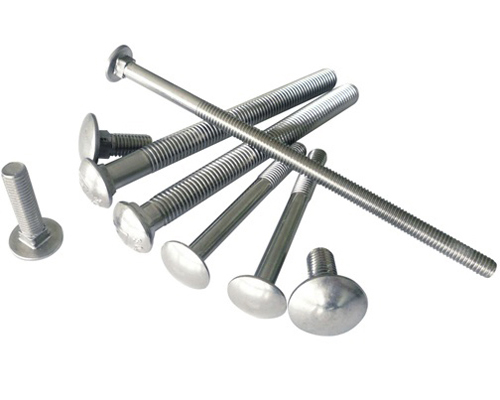
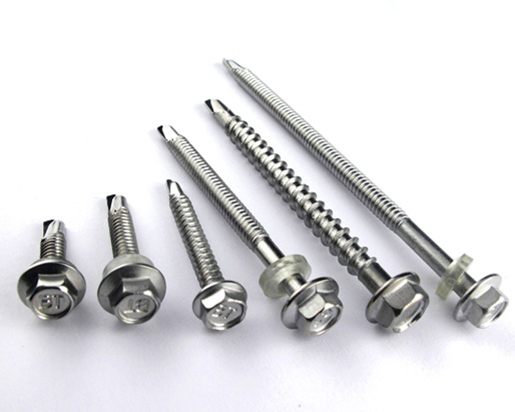
Self Threading Bolts Where Innovation Meets 2025 Manufacturers You Can Rely On
In the fast-evolving landscape of manufacturing, self-threading bolts are emerging as a game-changer for industries worldwide. These innovative fasteners not only streamline the assembly process but also enhance the structural integrity of products across various applications. As we approach 2025, the demand for reliable manufacturers who can deliver high-quality self-threading bolts is more critical than ever. Companies seeking dependable sourcing solutions will find that embracing these advanced fastening technologies can significantly improve production efficiency and reduce overall costs. The beauty of self-threading bolts lies in their ability to create internal threads within the base material, eliminating the need for pre-tapped holes. This innovation simplifies installation, saves time, and minimizes the risk of damage during assembly. With a range of materials and coatings available, self-threading bolts can be customized to meet the specific needs of diverse industries, from automotive to construction. As global procurement becomes increasingly competitive, partnering with trusted manufacturers who understand the intricacies of these products is essential for ensuring product quality and reliability. As we look towards the future, the collaboration between innovative manufacturers and discerning procurement professionals will drive the evolution of fastening technologies. Suppliers that prioritize quality assurance, sustainable practices, and customer satisfaction will undoubtedly forge strong relationships and gain a competitive edge in the market. By investing in self-threading bolts, businesses can not only enhance their product offerings but also position themselves effectively in the global supply chain of 2025 and beyond.
Self Threading Bolts: Where Innovation Meets 2025
| Type | Material | Coating | Application | Strength (MPa) | Length (mm) |
|---|---|---|---|---|---|
| Self Tapping | Carbon Steel | Zinc Plated | Wood | 400 | 50 |
| Self Drilling | Stainless Steel | Black Oxide | Metal | 600 | 70 |
| Self Tapping | Alloy Steel | Chrome Plated | Plastic | 450 | 40 |
| Self Drilling | Titanium | Anodized | Concrete | 700 | 90 |
| Self Tapping | Brass | Natural | Wood & Metal | 300 | 60 |
Related Products
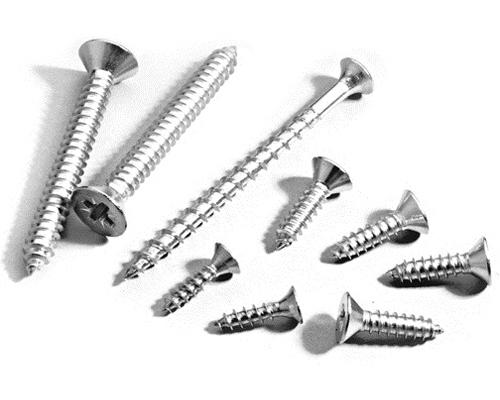

Self Threading Bolts Application Exceeds Industry Benchmarks
Top Selling Products
- Related Blog
- Reviews
