
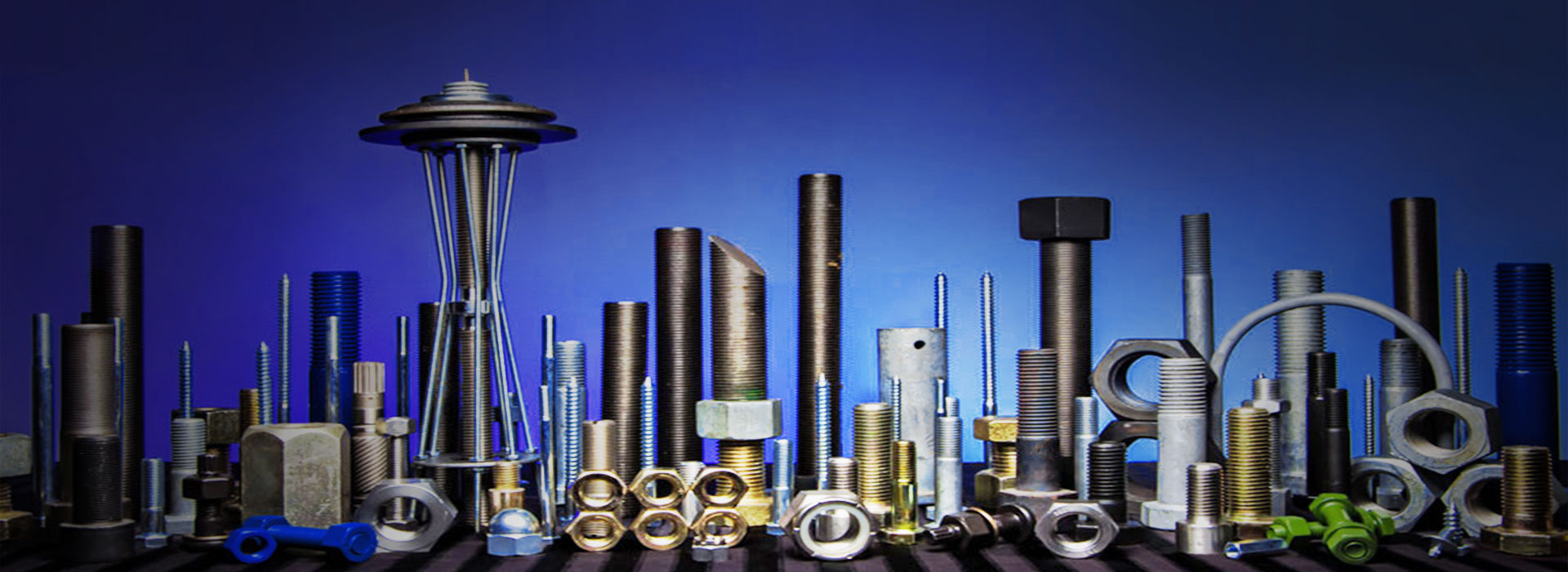
Top Benefits of Hot Dip Galvanized: Durable Solutions for Your Projects
When it comes to durability and corrosion resistance, I always trust hot dip galvanized products. Their process creates a robust zinc coating that protects against harsh environments, making them an ideal choice for long-lasting applications. With a wide range of uses, you can find them in construction, agricultural, and automotive sectors, ensuring your projects stand the test of time. I’ve seen firsthand how investing in high-quality hot dip galvanized items can save money in the long run. Not only do they require minimal maintenance, but their strength also provides added safety for any structure. If you’re in the market for materials that withstand the elements, I highly recommend considering this option. Plus, with fast lead times and competitive pricing, elevating your projects has never been easier. Trust me, these are not just products, they are essential for any serious B2B purchaser looking for reliability and performance in their materials.
Hot Dip Galvanized Dominates in 2025
As we look toward 2025, the demand for hot dip galvanized products is expected to soar, driven by their remarkable durability and corrosion resistance. This method of galvanization has become a preferred choice for various industries, including construction, automotive, and infrastructure, owing to its ability to prolong the lifespan of metal components, thus reducing maintenance costs and enhancing sustainability. As global procurement professionals seek reliable and high-quality solutions, hot dip galvanized products present an attractive option for long-term investment. The global market is witnessing a shift towards greener and more sustainable practices. Hot dip galvanization not only meets these expectations but also provides superior performance compared to traditional coatings. With increasing regulatory pressures and consumer demand for environmentally friendly products, manufacturers incorporating hot dip galvanized components into their offerings stand to benefit significantly. This trend is evident across regions, where companies prioritize sourcing materials that offer longevity and resilience against harsh conditions. Looking ahead, businesses should capitalize on the rising trend of hot dip galvanized products. By aligning procurement strategies with this growing preference, companies can ensure they are equipped to meet market demands while optimizing costs. As we move into 2025, embracing this technology could prove pivotal for companies aiming to enhance their competitive edge in a rapidly evolving marketplace.
Hot Dip Galvanized Dominates in 2025
| Region | Production Volume (in tons) | Market Share (%) | Growth Rate (%) | Applications |
|---|---|---|---|---|
| North America | 1,500,000 | 35 | 4.5 | Construction, Automotive |
| Europe | 2,000,000 | 40 | 3.8 | Infrastructure, Manufacturing |
| Asia-Pacific | 1,800,000 | 20 | 5.0 | Electronics, Industrial |
| Latin America | 600,000 | 3 | 6.2 | Aerospace, Energy |
| Middle East & Africa | 400,000 | 2 | 5.5 | Oil & Gas, Construction |
Related Products
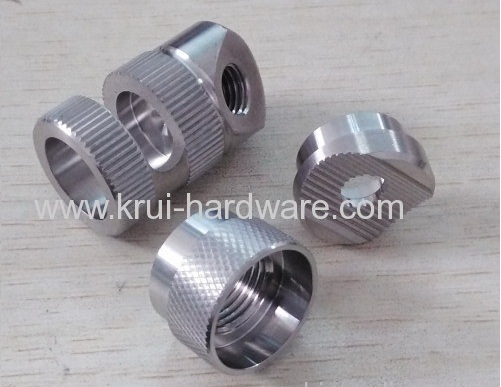

Hot Dip Galvanized Is The Best Now Trending
Top Selling Products
- Related Blog
- Reviews
