
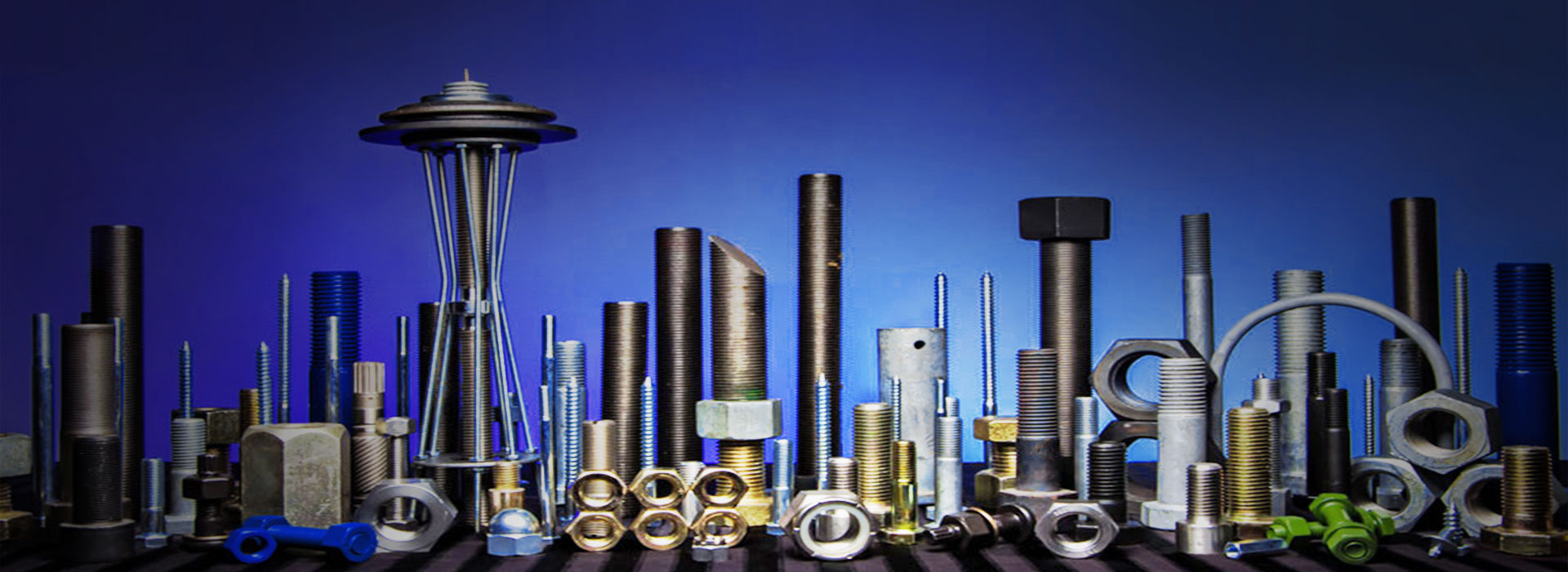
Carriage Bolt Washer: Essential Hardware for Durable Projects
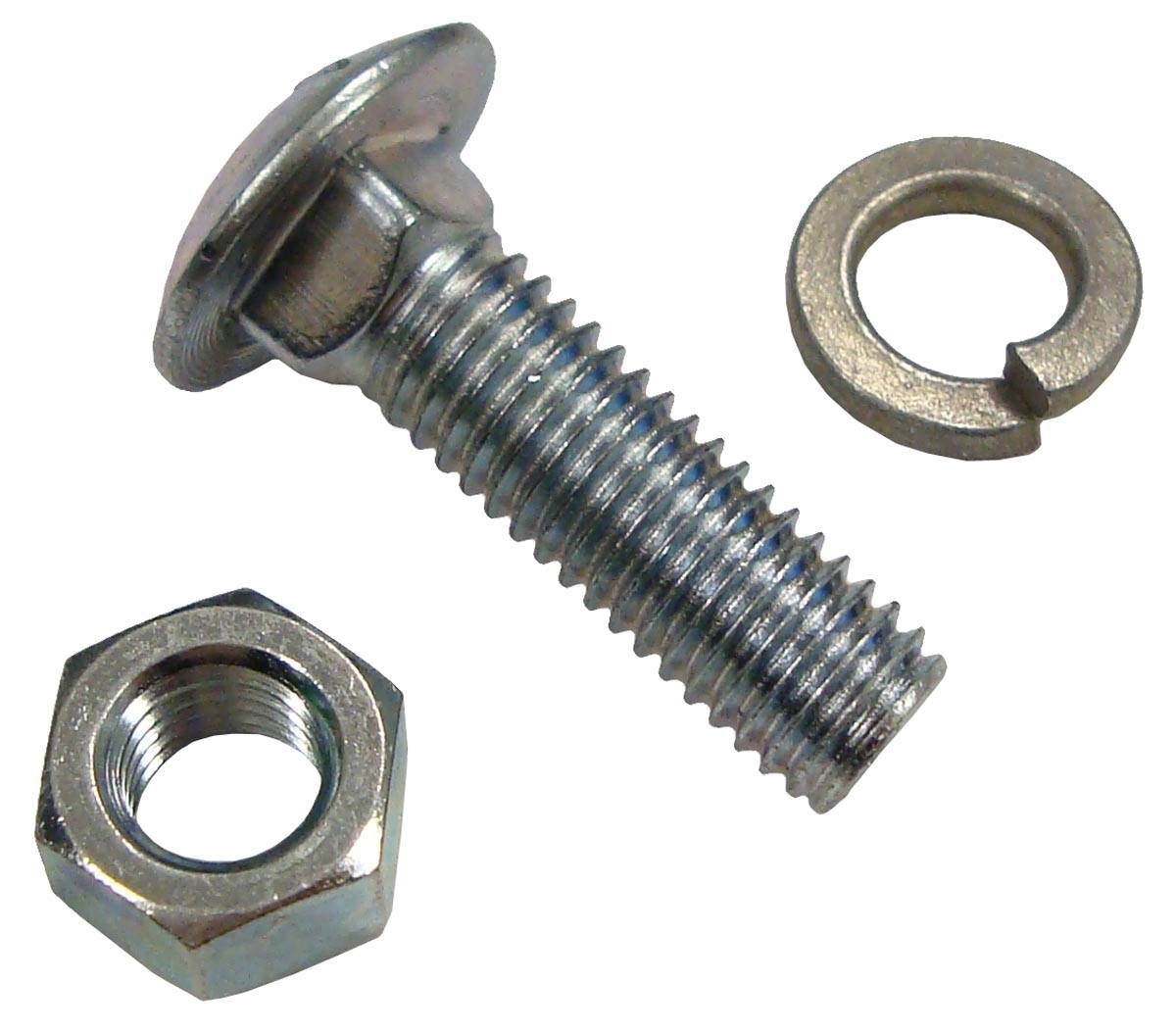
When I think about durability and reliability in fasteners, the Carriage Bolt Washer always comes to mind. This essential component designed specifically for use with carriage bolts ensures a secure fit and optimal load distribution, making it perfect for both light and heavy-duty projects. I often recommend it to my clients who prioritize safety and quality in their applications. Whether you're working on construction, furniture assembly, or machinery, these washers provide a smooth surface that prevents damage to your materials. The high-grade materials used in their construction also mean they resist corrosion and wear, ensuring long-lasting performance. I've seen clients save time and money by choosing the right washer, so it’s worth investing in this product. Plus, with competitive pricing and bulk purchasing options available, you'll find that integrating carriage bolt washers into your projects is both cost-effective and efficient. Ready to elevate your fastening solutions?
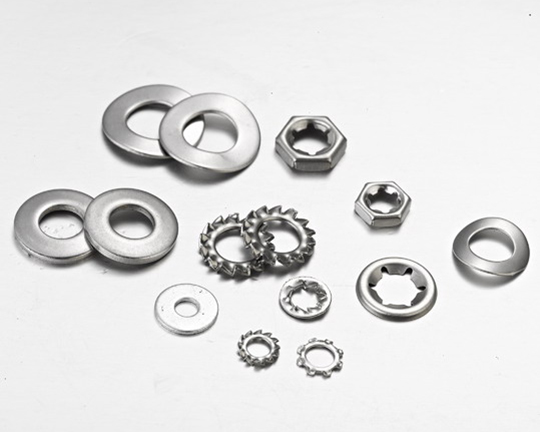
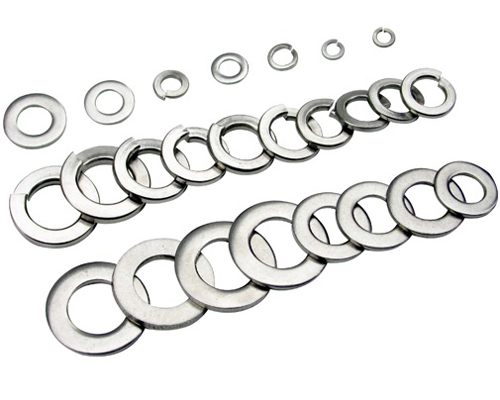
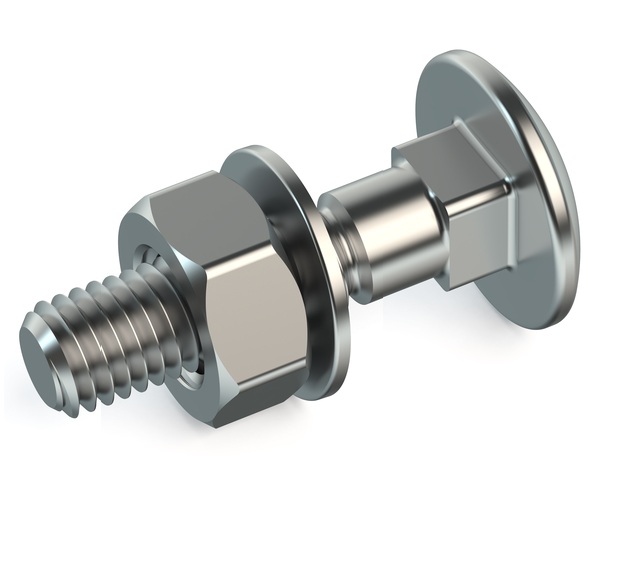
Carriage Bolt Washer Application From Concept to Delivery
When it comes to the manufacturing and application of carriage bolt washers, understanding the journey from concept to delivery is crucial for global buyers. These washers play a significant role in various industries, including construction, automotive, and machinery, by enhancing the performance and durability of the fastening systems they are a part of. The innovative design, material selection, and rigorous testing at every stage ensure that the washers meet international standards and customer requirements, making them a reliable choice for heavy-duty applications. The development process starts with a clear understanding of the specific needs of the industry and the unique challenges faced by users. By collaborating with engineers and designers, the right dimensions, materials, and finishes are chosen to ensure optimal functionality. Once the prototype is created, it undergoes stringent quality control measures to guarantee that each washer can withstand the rigors of its intended environment. Final adjustments are made based on feedback, ensuring that the end product is both practical and efficient. Once the design is finalized, the transition to production involves state-of-the-art machinery and skilled labor. Efficient supply chain management allows for seamless logistics, ensuring timely delivery across global markets. The commitment to quality and customer satisfaction throughout the entire process not only strengthens partnerships but also fosters trust among international buyers, making it easier for them to choose the right components to enhance their operations.
Carriage Bolt Washer Application From Concept to Delivery
| Application Stage | Description | Material Used | Dimensions | Key Benefits |
|---|---|---|---|---|
| Concept Design | Initial draft of washer design for carriage bolts | Steel, Galvanized | Diameter: 20mm, Thickness: 3mm | Improved load distribution |
| Prototyping | Creating samples for testing | Plastic, Nylon | Diameter: 20mm, Thickness: 2mm | Reduced corrosion risk |
| Testing & Validation | Assessing the performance of prototypes | Aluminum | Diameter: 20mm, Thickness: 1.5mm | Lightweight and strong |
| Production | Mass production of the final design | Stainless Steel | Diameter: 20mm, Thickness: 3mm | Durable and long-lasting |
| Delivery | Final packaging and shipment to client | Recyclable Materials | Standardized sizes | Environmentally friendly |
Related Products
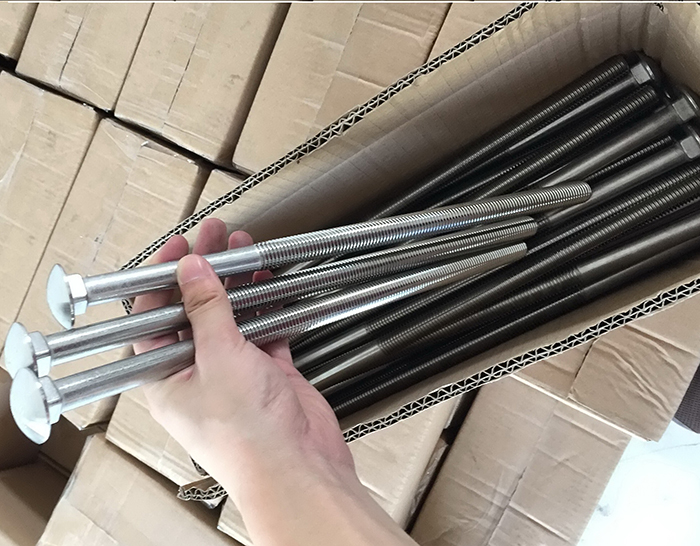

Carriage Bolt Washer Winning in 2025 Where Service Meets Innovation
Top Selling Products
- Related Blog
- Reviews
